

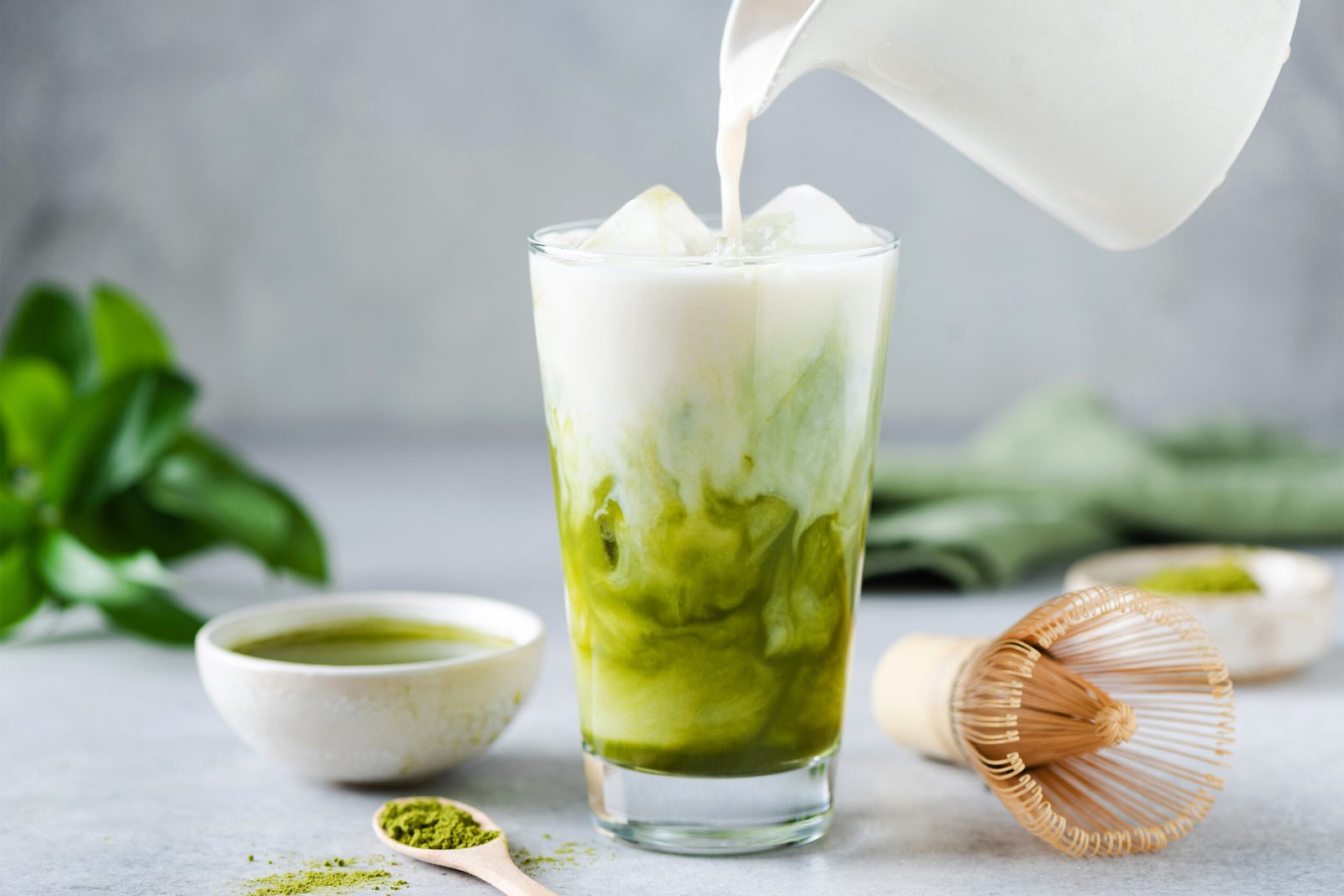
If you’ve ever wondered why high-quality matcha tastes so smooth, vibrant, and naturally sweet compared to regular green tea, the answer starts long before the leaves are harvested. One of the biggest secrets behind ceremonial grade matcha is a traditional Japanese farming technique known as shade growing.
This centuries-old cultivation method is what gives matcha its signature bright green colour, creamy umami flavour, and powerful nutritional profile. Without shade growing, matcha simply would not be matcha as we know it today.
What Does “Shade Grown” Mean?
Before harvest, matcha tea plants are covered with large shade cloths for around 20 to 30 days. This reduces the amount of direct sunlight reaching the leaves by up to 90%.
In regions like Kyoto — famous for producing some of the world’s finest matcha — farmers have perfected this process over generations.
As sunlight becomes limited, the tea plant reacts in fascinating ways. Instead of slowing down, it begins producing higher levels of chlorophyll and amino acids to compensate for the reduced light exposure. The result is softer, more delicate leaves packed with flavour and nutrients.
Once harvested, these specially grown leaves are carefully steamed, dried, and stone-ground into the vivid green powder we know as matcha.
Why Is Matcha Shade Grown?
1. To Increase Chlorophyll Levels
One of the most obvious differences between matcha and regular green tea is the colour.
High-quality matcha has a deep, vibrant green appearance that instantly signals freshness and quality. This colour comes from chlorophyll — the natural pigment plants use for photosynthesis.
When tea plants are shaded, they produce more chlorophyll in an attempt to absorb as much available light as possible. This creates the iconic emerald green tone associated with premium ceremonial matcha.
Lower-quality teas that are grown fully in sunlight often appear duller, yellow-green, or brownish by comparison.
2. To Create Matcha’s Signature Umami Taste
Shade growing dramatically changes the flavour profile of tea leaves.
Because the plants receive less sunlight, they retain more L-theanine — a naturally occurring amino acid responsible for matcha’s smooth, savoury, slightly sweet flavour known as umami.
This is why good matcha tastes creamy, mellow, and rich rather than bitter or grassy.
Without the shading process, tea plants convert more of these amino acids into catechins, which can increase bitterness and astringency. Shade growing helps preserve balance and softness in the final cup.
3. To Boost Nutritional Value
Many of matcha’s wellness benefits are connected to shade cultivation.
Shaded tea leaves tend to contain:
- Higher levels of L-theanine
- Increased chlorophyll
- More antioxidants
- Greater concentrations of beneficial plant compounds
Because matcha is consumed as a finely ground powder — rather than steeped and discarded like regular tea leaves — you consume the entire leaf itself. This makes the nutrient density especially significant.
The combination of caffeine and L-theanine is also one reason many people describe matcha energy as calmer and more sustained compared to coffee.
4. To Produce a Softer, More Delicate Leaf
Direct sunlight can make tea leaves tougher and more bitter over time.
Shade growing slows the growth process slightly, encouraging thinner, more tender leaves that are ideal for stone grinding.
The youngest leaves are usually selected for ceremonial grade matcha because they contain the highest concentration of sweetness and amino acids.
This careful harvesting process is one reason authentic Japanese matcha often feels far more refined than mass-produced alternatives.
The Difference Between Shade-Grown Matcha and Regular Green Tea
Not all green tea is shade grown.
Most standard green teas are cultivated in full sunlight, which creates a sharper, more vegetal flavour profile. While these teas can still be excellent, they typically do not develop the same richness, sweetness, or vibrant colour associated with matcha.
Shade-grown teas are relatively rare because the process is expensive, labour-intensive, and requires significant expertise.
Farmers must carefully monitor:
- Light exposure
- Temperature
- Airflow
- Harvest timing
Even small differences in shading duration can affect flavour and quality.
Why Japanese Matcha Culture Values Shade Growing
Shade cultivation has deep roots in Japanese tea culture dating back centuries.
Traditional tea regions such as Uji became renowned for mastering this technique, helping establish Japan’s global reputation for premium matcha production.
Today, many artisanal tea producers still use traditional methods to preserve quality and authenticity rather than prioritising mass production.
For matcha enthusiasts, shade growing is often viewed as one of the clearest indicators of craftsmanship and premium quality.
Final Thoughts
Matcha’s vibrant colour, creamy texture, and naturally smooth flavour are not accidental. They are the direct result of centuries of careful cultivation techniques centred around shade growing.
By protecting the tea plants from direct sunlight before harvest, farmers are able to create leaves richer in chlorophyll, amino acids, and flavour compounds — producing the uniquely balanced tea experience matcha is loved for around the world.
So the next time you whisk a bowl of bright green matcha, you’re tasting the result of an incredibly precise and deeply traditional farming process that begins weeks before the leaves are ever picked.