

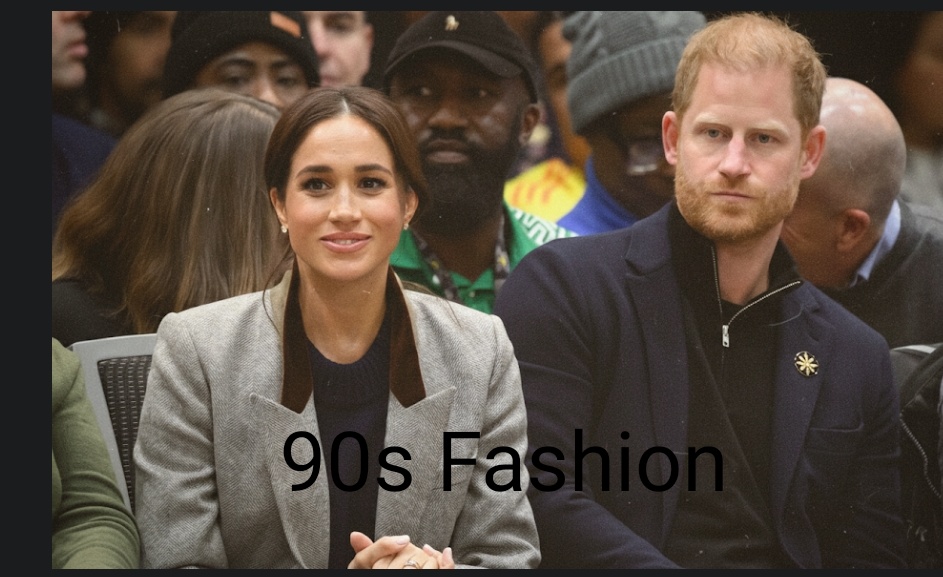
Honestly, many fans were shocked when Meghan Markle and Prince Harry moved into the quiet, ivy-lined grounds of Frogmore Cottage a decision that, by a lot of accounts, helped push their relationship with the royal machine into an irreversible change. To be honest, it wasn’t just one thing; it was a mix of small pressures that built up. But if you ask me, the move to Frogmore with its renovations, expectations, and the sudden feeling of rural isolation has often been described in reporting as the moment everything tipped.
Details Summary Table
| Item | Quick fact |
|---|---|
| Move announced | Early 2019 (move to Frogmore Cottage). |
| Renovation cost | Reported ~£2.4 million (Sovereign Grant). |
| Repayment | Couple reportedly repaid the renovation cost when they stepped back from royal duties. |
| Vacated | Officially vacated Frogmore Cottage in June 2023. |
| Current status (as reported) | Property remained under maintenance/empty after they left. |
Why that move mattered emotionally and practically
Believe it or not, mansions and grand titles don’t erase the very human need for a sense of belonging. I think the move to Frogmore Cottage, away from central London and the bustle of royal life, mattered because it spelled out a different, quieter life the kind of life Meghan had once said she wanted, but maybe not that isolated, not so sharp a contrast from the world she came from.
What surprised me was how a house could become a symbol. The couple went from a Kensington flat to the Windsor grounds, and with that came stories about renovations, taxpayer money, and expectations about how they should comport themselves. Reports at the time highlighted a large renovation bill that raised eyebrows and fed tabloids a detail that amplified existing tensions.
Have you ever noticed that when someone says home they mean more than the four walls? For Meghan and Harry, Frogmore Cottage became a political, media, and emotional battleground and that’s the funny part: a pretty house ended up feeling like a gilded cage to some.
The headlines: what actually happened (short timeline)
- Late 2018 / early 2019 the move was announced and renovations began. The home was prepared for a growing family.
- Mid 2019 reports published the scale of refurbishment, and the figure £2.4m circulated widely.
- January 2020 the couple announced they would step back from senior royal duties and repaid the refurbishment costs.
- June 2023 official confirmation they had vacated Frogmore Cottage as their primary UK base.
These dates are dry but they’re the scaffolding around the feelings the late nights dealing with press, the whispers about “not fitting in,” the pressures to conform to an institution that moves slowly and remembers everything.
The final straw claim source and context
When people say “meghan markle’s relocation to frogmore cottage was the final straw,” they’re often paraphrasing royal authors, commentators, or insiders who point to a build-up of experiences: media intrusion, perceived differences in how Meghan was treated vs others, and a sense that moving to a rural cottage made those differences feel sharper. Some writers described the relocation as a breaking point that clarified: this life may not be for them. It’s not a single-sentence truth, it’s an interpretation but one grounded in a sequence of public events.
To be honest, when I read those accounts I pictured them sitting in a quiet drawing room, weighing whether the comforts of Windsor were worth the unseen costs. I’ve told this story to a friend who once moved towns for work the emotional strain of uprooting, even to a place that looks perfect in photos, can be intense. That’s the human piece behind the headlines.
What the public saw renovation cost and optics
Reports about the cost of renovating Frogmore Cottage were a media flashpoint. The figure of roughly £2.4 million was widely reported, and whether the public thought that bill was fair or not, it fed a narrative that the couple were at odds with taxpayer expectations. Later, the couple repaid the cost, which was noted by the palace, but the initial fuss had already shaped public perceptions.
If you ask me, optics matter especially for public figures. A house on the Windsor estate isn’t just a house. For Meghan, an American with a career before marrying into the royal family, the move felt to many like the moment the gap between expectation and reality widened.
Small stories, big feelings
I’ll share a tiny imagined scene it’s not reportage, but it captures how these moments can feel. Picture Meghan at a small kitchen table late one evening, a stack of press clippings beside her, the wind lifting tree branches outside. She laughs with Harry about something private, then closes the paper and sighs. The house is beautiful, beautiful but quiet. The sense of rural obscurity that some sources later quoted whether directly accurate or editorialized conjures that lonely, reflective moment. It’s a small vignette but, you know, it’s easy to imagine.
Another mini-story: a neighbor in Windsor (imagined again, but plausible) telling a friend at the market, They’re lovely people, but they always seemeddifferent. These little human perceptions ripple into bigger narratives.
How the move connected to Megxit and stepping back
The relocation didn’t occur in a vacuum. Stepping back from royal duties (the so-called “Megxit”) involved financial, legal, and emotional logistics. The timeline ties together: move to Frogmore, media scrutiny, the decision to change status, and later an exit from the UK as a full-time base. That sequence is why many writers and commentators say the Frogmore move pushed the couple toward a full re-evaluation of their place in the family and the country.
It’s fair to say the house was a catalyst not the sole cause. And believe me, when big choices are made, it’s rarely a single event; it’s dozens of small ones stacking up until someone finally says enough.
What happened afterward vacancy and ongoing questions
After the couple repaid renovation costs and moved to California, Frogmore Cottage was used by other royals at times and later reported as vacant and under maintenance. That lingering vacancy made headlines because it showed how a place can outlive the drama around it the cottage remains, but its story keeps shifting.
People like tangible symbols homes, cars, offices because they anchor more abstract debates about fairness, duty, and identity. Frogmore Cottage became one such symbol.
The takeaway a personal read
If you ask me, and I’m saying this as someone who watches the news and remembers small human details, the move to Frogmore wasn’t a single lightning bolt; it was the last visible knot in a rope that had been fraying for a while. That’s the funny part: a serene cottage with manicured hedges could be the tipping point that exposed everything underneath cultural differences, media pressure, and the agonizing negotiations between private life and public role.
I think it’s okay to feel sympathy for people who make messy, public choices. Royal life is amplified; every move becomes a story. So yes, some commentators will call it the final straw and many reports support the idea that the move crystallized decisions but it’s also absolutely human to see it as just one piece in a complicated, emotional puzzle.
Quick FAQ (because readers ask)
Q: Did Meghan and Harry pay for the renovations?
A: Reports say refurbishment was covered initially by the Sovereign Grant (~£2.4m), and the couple later repaid the amount.
Q: Are they still using Frogmore Cottage?
A: They officially vacated in June 2023, and later reports noted the property was vacant and under routine maintenance.
Q: Was the move the only reason they left the UK?
A: No. It was one factor among many media scrutiny, institutional tensions, family dynamics, career choices, and personal safety concerns all played roles.
Bio: My name is Alix, I’m a content writer and researcher from the United States. I love exploring interesting topics and sharing insights through engaging, human-style writing.