
Your Window into News, Fashion, and the Stories Behind the Headlines
Fashion is social language. In the 1990s it became particularly expressive of the tensions of the decade: casualness vs. consumer spectacle, anti-establishment aesthetics vs. polished minimalism, and globalized branding vs. regional subcultures. Clothing and beauty trends were both immediate (what people wore day-to-day) and aspirational (runway-to-street flows, celebrity influence, and advertising). Below I analyze the major currents, their origins, commercial structure, and cultural impact.

⚠️ This is an independent information & download-help page — not affiliated with or owned by Zepto. Clicking “Download” redirects you to the app’s own…

Every family has that one person who insists the pooja starts “in exactly five minutes.” It never does. Someone is still hunting for the rakhi…

If you’ve ever wondered why high-quality matcha tastes so smooth, vibrant, and naturally sweet compared to regular green tea, the answer starts long before the…

There’s a right way and a very wrong way to bring back 90s grunge in 2026. The wrong way is buying a pre-packaged “grunge kit”…

Whether you’re a teacher setting up a weekly quiz or a student trying to complete an assignment before class, getting through the pair assessment login…

Your home is more than just four walls — it’s a reflection of who you are. Whether you’ve just moved into a new place or…
1.2 Major fashion currents of the 1990s
Grunge and the anti-fashion aesthetic
- Origins and cues: Grunge emerged from the late 1980s/early 1990s Seattle music scene and became a mainstream fashion language when bands like Nirvana and Pearl Jam crossed over. The look emphasized thrift-store layers, flannel shirts, oversized sweaters, ripped jeans, and combat boots.

- Cultural meaning: Grunge signaled a rejection of the excesses of the 1980s (big shoulders, overt glamour) and an embrace of authenticity, indifference to polished image, and working-class signifiers.

- Commercialization: High fashion and major retailers quickly commodified grunge: runway collections referenced thrift aesthetics while retailers marketed “grunge-inspired” products. This dynamic illustrated a broader pattern in the 1990s where subcultural signifiers were absorbed into mainstream retail.
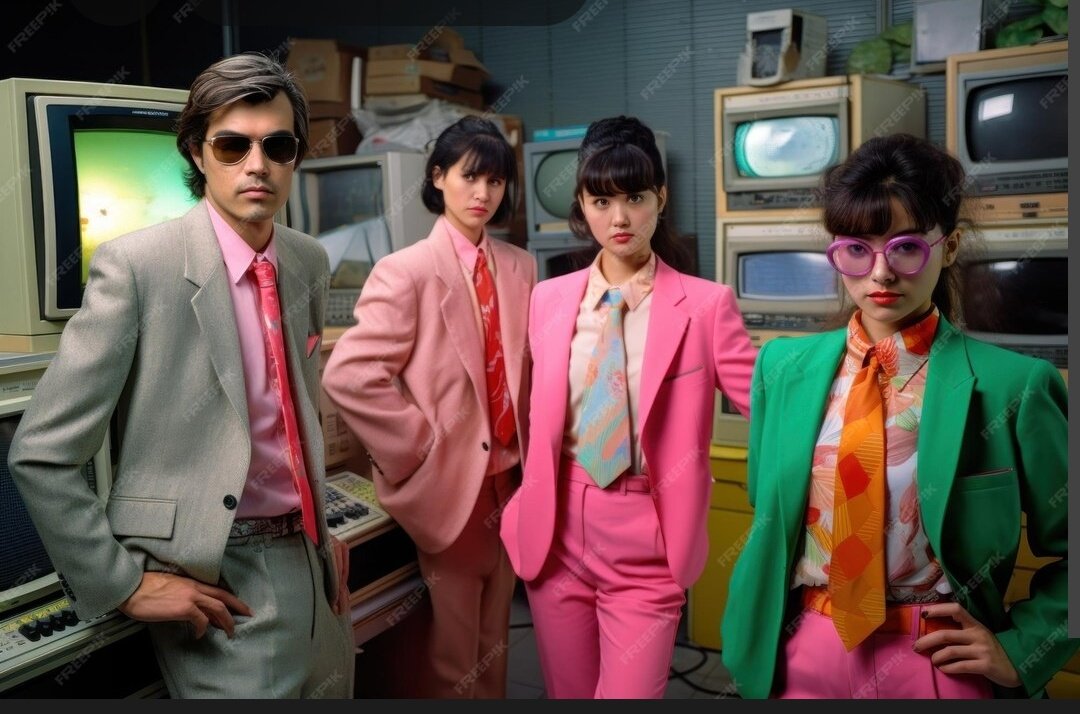
Minimalism and the quiet luxury trend
- Essence: In parallel with grunge’s rawness, minimalist fashion promoted clean lines, neutral palettes, and understated shapes—think slip dresses, tailored trousers, and simple knitwear.

- Design leadership: Designers such as Helmut Lang and Calvin Klein brought austere, refined silhouettes to both catwalks and department stores. Minimalism mapped to late-decade corporate aesthetics and emerging “quiet luxury” sensibilities.
Streetwear, sportswear, and the rise of casual luxury
- Roots and rise: Streetwear evolved from skate, hip-hop, and surf cultures into a mainstream force. Logos, athletic silhouettes, and sneaker culture surged. Brands like Nike, Adidas, and newcomers in the streetwear space established cultural cachet.
- Impact: The blending of comfort, brand visibility, and cultural affiliation (hip hop artists, athletes as tastemakers) reshaped what constituted desirable clothing — function and identity became key selling points.
Y2K early signals (late 1990s)
- Aesthetic: By the late 1990s a futuristic, tech-inflected aesthetic began to surface — metallics, glossy materials, small sunglasses, and synthetic fabrics foreshadowed the early 2000s Y2K look.
- Drivers: Advances in textile technology, imagery from sci-fi film and advertising, and an appetite for novelty pushed this aesthetic into fashion discourse.
1.3 Key items and accessories that defined the decade
- Flannel shirts (grunge staple)
- Slip dresses (minimal, evening-to-day adaptability)
- Platform shoes and chunky boots (platforms enjoyed a resurgence)
- Chokers and thin necklaces (pervasive accessory)
- Baggy cargo pants and utility wear (streetwear and functional trends)
- Logos and visible branding (brand-as-identity)
- Mini backpacks and shoulder bags (accessory practicality and style)
1.4 Beauty: hair, makeup, and grooming
Hair
- Natural textures and layers: While the 1980s had emphasized volume, the 1990s favored layered cuts, choppy bangs, and the “undone” look for many.
- Iconic hairstyles: “The Rachel” (Jennifer Aniston’s layered cut on Friends) became a global phenomenon; grunge embraced unstyled, messy hair; later in the decade, sleeker, straighter looks (often with flat-irons) foreshadowed Y2K.
- Men’s grooming: The 1990s saw a variety of male looks — from the clean-shaven corporate styles to bearded or goateed alternatives favored by certain subcultures.
Makeup
- Minimal and matte: A trend toward understated — matte foundations, neutral eye shadows, and darker lipstick cycles (burgundy/wine) at times.
- Frosted lipstick and smoky eyes: Early-to-mid-decade makeup sometimes used frosty textures; smoky eyes offered evening contrast.
- Skincare emphasis: Rising consumer focus on skincare (cleansers, exfoliation, and early anti-aging products) began to shape beauty routines.
1.5 The business of fashion in the 1990s
Retail structures and fast fashion seeds
- Department stores and malls: Malls and department stores remained dominant distribution channels in many countries; flagship stores and luxury boutiques maintained aspirational visibility.
- Fast fashion beginnings: Companies such as Zara and H&M expanded internationally in the 1990s, pioneering quicker design-to-retail cycles. While fast fashion as a category matured later, the 1990s established the logistics and market appetite that enabled rapid trend turnover.
Celebrity and media influence
- MTV and celebrity culture: Music television and celebrity magazine culture amplified style signals. Music stars, actors, and athletes became powerful arbiters; their looks rapidly influenced retail demand.
- Supermodels and the runway: The “supermodel” era — Naomi Campbell, Cindy Crawford, Kate Moss, and others — dominated fashion imagery and advertising. Their crossover into mainstream visibility made runway aesthetics commercially potent.
Globalization of brands
- International markets: Luxury houses and mid-range brands pursued global expansion; Western brands entered new markets in Asia and Eastern Europe in the post-Cold War period.
- Supply chains: Manufacturing concentrations in East Asia deepened, creating cost efficiencies and accelerating the availability of inexpensive garments.
1.6 Cultural and social impact of 1990s fashion & beauty
- Identity and consumption: Clothing became an increasingly explicit sign of identity and group affiliation — musical subcultures, professional classes, and city-based youth cultures each used dress to articulate belonging.
- Commodification of rebellion: Subcultural styles were often commodified by mainstream fashion, generating friction between authenticity and commercial appropriation.
- Sustainability seeds: Although environmental concerns were less central in mainstream fashion than today, the 1990s saw early debates about production practices and the social cost of globalized manufacturing.
2. Politics and International Relations: A New Global Order
2.1 The end of the Cold War and political reconfiguration
The dissolution of the Soviet Union in 1991 dramatically restructured global geopolitics. Newly independent states faced the twin tasks of nation-building and economic transition. Western institutions (NATO and the European Union) recalibrated their missions; NATO gradually assumed expeditionary and crisis-management roles beyond its original Atlantic remit.
2.2 Conflicts, interventions, and humanitarian response
The decade was marked by regional wars and humanitarian crises: the break-up of Yugoslavia and the wars in the Balkans highlighted the limits and challenges of international peacekeeping; the Rwandan genocide (1994) exposed systemic failures in multinational response. These tragedies catalyzed debates about the doctrine of humanitarian intervention, the responsibility to protect (R2P), and the capacity of international institutions.
2.3 Democratization and economic reform
Across Eastern Europe and parts of Africa and Latin America, democratic institutions and market reforms took root, often unevenly. Privatization, deregulation, and market liberalization defined the policy environment in many countries, prompting both economic growth and social dislocation where safety nets were weak.
3. Economy and Globalization: Booms, Bubbles, and Integration
3.1 The global economy in brief
The 1990s experienced a general expansion in world trade and investment flows. The creation of the World Trade Organization in 1995 formalized expanded trade rules and dispute resolution mechanisms. The decade’s economic story includes both the optimism of open markets and stark reminders of vulnerability:
3.2 The dot-com boom and business model innovation
- Emergence and mechanics: The commercialization of the World Wide Web (mid-1990s onward) spawned an ecosystem of startups focused on online search, marketplaces, portals, and advertising models. Venture capital poured into speculative online ventures; public-market valuations often outpaced fundamentals.
- Consequences: The late-1990s NASDAQ surge — and the eventual bubble burst around 2000 — demonstrated the risks inherent in speculative technology investing. Nonetheless, the era created durable infrastructure, business practices, and firms that later scaled profitably.
3.3 The 1997 Asian financial crisis
- Trigger and spread: The crisis began with currency pressures in Thailand (the baht) and propagated across East and Southeast Asia via investor flight, asset devaluation, and banking stresses.
- Policy responses: The IMF and multilateral lenders intervened with stabilization packages; affected economies implemented fiscal austerity, financial sector restructuring, and regulatory reforms. The crisis reshaped regional financial architecture and influenced later policy debates on capital flows and monetary policy.
4. Technology and the Internet: The Foundations of the Digital Age
4.1 From protocols to people: the consumer web
The architecture of the web had been developed in previous years, but the 1990s democratized access. Web browsers (Netscape and later Internet Explorer), search engines, and early portals made content discoverable and monetizable. Search algorithm innovations (e.g., PageRank) and commercial models (online advertising, e-commerce) launched companies that would dominate the 21st century.
4.2 Communication and social interaction
- Email and instant messaging: Email became a core communication tool; IM platforms (ICQ, AIM, MSN Messenger) introduced real-time personal messaging.
- Online communities: Bulletin boards, Usenet, and early forums fostered communities around shared interests — precursors to modern social networks.
4.3 Hardware, consumer electronics, and multimedia
- PC penetration: Personal computers moved from heavy specialist devices to home and small-business ubiquity. Windows 95 is emblematic of this consumerization.
- Multimedia: CD-ROMs, later DVDs, MP3 compression, and portable CD players reshaped how people consumed music, video, and software.
4.4 Economic and cultural implications
The Internet reduced transaction costs, enabled new intermediaries (search engines, marketplaces), and began to erode some traditional media revenue models. It also raised nascent questions about privacy, intellectual property, and content regulation that would mature in subsequent decades.
5. Science, Medicine, and the Environment
5.1 Genetics and biotechnology
The Human Genome Project advanced through the 1990s toward its first drafts. Breakthroughs in molecular biology produced both commercial biotech enterprises and complex ethical debates about gene information and potential applications.
5.2 Public health
HIV/AIDS remained a major global public health crisis in the 1990s, particularly in sub-Saharan Africa. Advances in antiretroviral drugs began to change the prognosis in wealthier countries, but equitable access remained limited.
5.3 Environmental policy
The 1992 Earth Summit in Rio and the 1997 Kyoto Protocol increased political focus on sustainability and greenhouse gas mitigation, though implementation and consensus were uneven.
6. Culture: Music, Film, Television, and the Arts
6.1 Music: pluralization and mainstream crossover
The 1990s were musically diverse. Grunge and alternative rock, hip hop’s ascendancy, electronic dance music’s growth, and pop’s commercial resurgence each shaped culture and fashion. Artists used both sonic aesthetics and visual presentation to define identities.
6.2 Film and television: new forms and prestige
Independent film rose with directors who reshaped narrative conventions (Quentin Tarantino, Richard Linklater). Television began its transition to serialized storytelling with shows that would herald the “prestige TV” era. Global distribution widened audiences for non-American cinema and television formats.
6.3 Visual arts and design
Postmodern design sensibilities persisted, while new digital tools (Photoshop, early CGI) changed what was possible in visual media and advertising.
7. Sports and Leisure
7.1 Commercialization and star power
Sports in the 1990s were a locus for branding and globalization: major leagues expanded their fan bases internationally, athlete endorsements gained scale, and broadcast rights became major revenue sources.
7.2 Memorable events
- FIFA World Cups (1990, 1994, 1998) reshaped soccer’s global economics; hosting the 1994 World Cup in the United States was a landmark for the sport’s North American growth.
- NBA global expansion accelerated around the presence of superstars like Michael Jordan.
8. Social Movements, Rights, and Society
8.1 Gender, race, and identity politics
Third-wave feminism and evolving conversations around intersectionality gained traction. In many countries, debates about multiculturalism, migration, and social inclusion intensified in response to new migration patterns and demographic changes.
8.2 Crime, law, and incarceration trends
Tough-on-crime policies in multiple countries (notably the United States) drove prison populations upward; the social and economic effects of these policies became important policy debates by the decade’s end.
9. Regional Snapshots — Short Analytic Vignettes
9.1 North America
Economic expansion, the tech boom, and shifting cultural exports defined the U.S. scene; Canada navigated free-trade arrangements and cultural policy debates.
9.2 Europe
European integration deepened (Maastricht Treaty, 1992), while the Balkans wars tested post-Cold War security frameworks.
9.3 Asia
Robust growth in East and Southeast Asia contrasted with Japan’s “lost decade” and the 1997 financial crisis. China’s economic liberalization accelerated its global integration.
9.4 Africa
The 1990s were mixed: transitions to democratic governance in some states, catastrophic conflict in others (Rwanda), and worsening impacts from HIV/AIDS.
9.5 Latin America and Oceania
Across Latin America, market reforms and democratic consolidation proceeded unevenly; Australia and New Zealand deepened regional economic and cultural ties.
10. Year-by-Year Timeline (1990–1999) — Selective highlights
- 1990: German reunification momentum; Nelson Mandela released (South Africa).
- 1991: Dissolution of the Soviet Union; Gulf War concludes with coalition victory.
- 1992: Maastricht Treaty signed, creating the European Union.
- 1994: Rwandan genocide; Nelson Mandela elected President of South Africa.
- 1995: Dayton Accords end active hostilities in Bosnia; Oklahoma City bombing.
- 1997: Asian financial crisis; Princess Diana’s death; Kyoto Protocol negotiated.
- 1998: Google founded; U.S. political scandal leads to impeachment proceedings.
- 1999: NATO intervenes in Kosovo; euro introduced as a unit of account; growing Y2K preparations.
11. Notable People and Institutional Actors
11.1 Political leaders
Figures such as Boris Yeltsin, Bill Clinton, Nelson Mandela, and Tony Blair shaped international and domestic debates on reform, globalization, and the post-Cold War order.
11.2 Business and technology
Entrepreneurs including Bill Gates, Jeff Bezos, Larry Page, and Sergey Brin laid groundwork for the technology platforms that would dominate global information flows.
11.3 Cultural icons
Artists, filmmakers, and performers like Kurt Cobain, Tupac Shakur, Quentin Tarantino, and the era’s supermodels created cultural touchstones whose influence persisted.
12. The 1990s Legacy: Enduring Structures and Lasting Lessons
12.1 Institutional and geopolitical legacies
- Post-Cold War architecture: New states, NATO’s expanded role, and the European Union’s deepening integration created institutional frameworks that shaped early 21st-century geopolitics.
- Humanitarian doctrine: Failures and debates during the Balkans and Rwanda influenced later norms about intervention and peacekeeping.
12.2 Economic and technological legacies
- Digital infrastructure: Web protocols, early e-commerce, and search technology established infrastructural layers that enabled later social media, mobile apps, and platform economics.
- Market lessons: The dot-com bubble underlined the mismatch that can occur between hype and fundamentals, while the Asian financial crisis highlighted the need for robust financial regulation and crisis management.
12.3 Cultural inheritance
- Style cycles: Fashion and beauty innovations from the 1990s have cyclical resurgences; many contemporary designers and youth movements reference 1990s aesthetics.
- Media fragmentation: The proliferation of channels and niche audiences in the 1990s anticipated the long-tail media economy of the 21st century.
1. Overview and defining characteristics
The 1990s were defined by rapid change rather than a single defining conflict or style. Where the mid-20th century saw world wars and the Cold War’s bipolar superpower confrontation, the 1990s were the years of rearrangement — of borders, economies, and culture.
Key high-level characteristics:
- Post–Cold War geopolitical shift. The collapse of the Soviet Union (1991) and the end of bipolar nuclear standoffs created both opportunities and new conflicts: independence movements, failed states, and regional wars.
- Acceleration of globalization. International trade and cross-border investment surged, aided by trade deals, deregulation, and growth of multinational corporations.
- Information and communications revolution. The World Wide Web and consumer Internet usage grew explosively, transforming how people accessed information, communicated, shopped, and entertained themselves. Mobile phones moved from luxury/enterprise devices to mass-market tools.
- Cultural fragmentation and pluralism. Instead of one dominant global pop culture once transmitted via a few channels, the 1990s saw more niches and subcultures achieve global visibility (grunge, hip hop’s mainstreaming, indie film).
- Economic bubbles and crises. The dot-com boom (late 1990s) and repeated financial crises (e.g., the 1997 Asian financial crisis) show the decade’s economic dynamism — and volatility.
- Technological foundations for the 21st century. Standards, protocols, and business models formed in the 1990s (email, HTML, search engines, e-commerce platforms, early social networking, GPS, digital media formats) that underlie today’s digital world.
This guide expands those points across politics, culture, tech, and more.
2. Politics and international relations
2.1 The end of the Cold War and the post-Soviet world
The Soviet Union officially dissolved in December 1991. The 1990s saw the emergence of new independent states from the Soviet collapse — Russia, Ukraine, Belarus, the Baltic states (Estonia, Latvia, Lithuania), Georgia, Armenia, Azerbaijan, the Central Asian republics, and others. The shift raised hard questions around nuclear disarmament, economic transition from centrally planned systems to market economies, and new regional conflicts.
Russia’s political transition under presidents Boris Yeltsin (1991–1999) involved dramatic economic privatization, sometimes chaotic politics, and reduced international influence compared to the Soviet era. NATO expanded eastward in the latter part of the decade, a move that shaped future geopolitics.
2.2 Regional conflicts and humanitarian crises
The post-Cold War era did not bring universal peace. The 1990s included several tragic wars and humanitarian crises:
- Breakup of Yugoslavia (1991–1999): A complex series of wars accompanied the dissolution of Yugoslavia, including the Bosnian War (1992–1995), ethnic cleansing, and the Srebrenica massacre; NATO intervened militarily in 1995 (Bosnia) and again in 1999 (Kosovo).
- Rwandan genocide (1994): In a matter of months, upwards of 800,000 people were killed in ethnic violence in Rwanda, exposing significant international failure to prevent atrocities.
- Gulf War (1990–1991): Iraq’s invasion of Kuwait in August 1990 led to a U.S.-led coalition operation (Operation Desert Storm) in early 1991 that freed Kuwait and reshaped Middle East politics.
- Other conflicts: Civil wars and insurgencies in Somalia, Sierra Leone, Liberia, Chechnya, and the ongoing Israeli–Palestinian tensions marked the decade.
2.3 International institutions and intervention
The 1990s saw renewed emphasis on humanitarian intervention and peacekeeping — sometimes successful, sometimes not. The United Nations and regional organizations continued deploying peacekeepers, while NATO evolved from a Cold War defensive alliance to an expeditionary force in the Balkans.
2.4 Democratization and political reform
Several former authoritarian states experimented with democratic institutions and market reforms. Some transitions were relatively peaceful (many Eastern European states joining the EU later), while others led to instability.
2.5 Nuclear arms control and treaties
After the Cold War, arms control talks continued. Treaties such as START (Strategic Arms Reduction Treaty) and chemical weapons accords reduced some stockpiles and clarified arms-control postures.
3. Economy and globalization
3.1 Global economic trends
The 1990s were generally a period of global economic growth with sustained expansion in developed economies and rapid development in parts of Asia. Trade liberalization and technological improvements boosted globalization.
3.2 The dot-com boom
The latter half of the decade witnessed the dot-com boom: venture capital flowing into Internet startups, IPOs of web companies, and soaring stock market valuations, particularly in the U.S. Nasdaq index ballooned. The bubble peaked around 1999–2000; its eventual burst in 2000–2001 shook markets and tempered enthusiasm for some tech models, but it also left lasting infrastructure and new business norms (online advertising, e-commerce).
3.3 Regional crises: 1997 Asian financial crisis
A major destabilizing event was the 1997 Asian financial crisis, which began in Thailand with the collapse of the Thai baht and then spread to Indonesia, South Korea, Malaysia, and other economies. Currency devaluations, capital flight, and banking crises forced IMF interventions and long-term reforms. The crisis exposed vulnerabilities of rapid capital flows, weak financial regulation, and over-leveraged real estate sectors.
3.4 Trade and institutions: WTO
The World Trade Organization (WTO) was established in 1995, marking a new, more formal global trade governance structure that replaced GATT and expanded rules for services, intellectual property, and dispute settlement.
3.5 Income inequality and neoliberal policy
Many economies embraced market-oriented reforms, deregulation, and privatization, a continuation of trends from the 1980s. These policies delivered growth in some countries but also sparked debates over inequality, labor displacement, and social safety nets.
4. Technology and the Internet revolution
If anything defines the 1990s to many people, it’s the rise of the consumer Internet. The decade took networking technologies out of labs and corporations and put them into homes.
4.1 The World Wide Web and browsers
Tim Berners-Lee developed web protocols earlier, but Netscape Navigator (mid-1990s) and later Internet Explorer made the web accessible to mainstream users. Web pages, hyperlinks, and early multimedia shaped a new information environment.
4.2 Email, instant messaging, and early social platforms
Email became a default communication tool. Instant messaging services like ICQ, AOL Instant Messenger (AIM), MSN Messenger, and later Yahoo! Messenger created new real-time online social spaces. Early social networking was less about profiles and more about chat rooms, forums, and bulletin boards.
4.3 Search engines and portals
Search engines and web directories (Yahoo!, AltaVista, Lycos) tried to organize the web. Google launched in 1998 and quickly transformed search with a more effective ranking algorithm; it would go on to define much of how people find online content.
4.4 E-commerce and online services
The 1990s saw the foundation of major e-commerce and online service companies: Amazon (founded 1994) and eBay (founded 1995) are two prominent examples. Online shopping, auction platforms, and digital marketplaces changed retail and consumer expectations.
4.5 Telecommunications and mobile phones
Mobile phones shifted from large, expensive devices to more compact and affordable models. GSM adoption spread globally, enabling SMS (text messaging) to become a defining communications feature. By the late 1990s, mobile phones were increasingly ubiquitous in developed and urbanizing societies.
4.6 Hardware and standards
Personal computers (PCs) became common in homes and offices. Windows 95 (released 1995) was a landmark for consumer computing. Processor speeds, storage, and graphics capabilities improved rapidly. CD-ROMs and later DVD began to carry software and media; MP3s and digital compression emerged to change music distribution.
4.7 Gaming and multimedia
Gaming consoles (Sony PlayStation launched 1994/95, Nintendo 64 in 1996, Sega Saturn earlier) and PC gaming matured, moving from pixel-limited experiences to polygonal 3D worlds. The 1990s produced many games and game franchises that still have cultural cachet.
5. Science, medicine, and the environment
5.1 Genetics and biotechnology
The Human Genome Project advanced through the 1990s toward its early drafts (the project completed a rough draft in 2000). Molecular biology and genomics accelerated research into gene mapping, biotechnology startups, and ethical debates about genetic information.
5.2 Medicine and public health
Medical advances included improved surgical techniques, growth in imaging technologies (MRI, CT), and wider use of antiretroviral therapies toward the late 1990s for HIV/AIDS (though full-scale effective treatment regimens became more accessible in the 2000s). The HIV/AIDS epidemic remained a central public health crisis, particularly in sub-Saharan Africa.
5.3 Environmental awareness and climate
Environmental issues rose in public awareness. The Rio Earth Summit (1992) pushed sustainable development onto international agendas. Climate change entered policy discussions more prominently, and the Kyoto Protocol was negotiated in 1997 (though not ratified by many major emitters until later or not at all).
5.4 Space exploration
The 1990s included robotic missions (e.g., NASA’s Mars Pathfinder in 1997), expansion of satellite communications, and continued work on the International Space Station (ISS) concept and construction plans.
6. Culture: music, film, television, literature, art
Cultural life in the 1990s was diverse and rich. The decade is often remembered for the way media splintered: cable television, specialty radio, independent film, and the Internet allowed many voices to find audiences.
6.1 Music: genres and movements
- Grunge: Originating from Seattle, bands like Nirvana, Pearl Jam, Soundgarden, and Alice in Chains dominated early-90s rock, with raw, guitar-driven sounds and introspective lyrics. Nirvana’s Nevermind (1991) is often cited as the album that brought grunge to mainstream attention.
- Hip hop’s mainstream rise: Rap diversified and expanded. Artists such as Tupac Shakur, The Notorious B.I.G., Wu-Tang Clan, and Dr. Dre became household names. Hip hop became a major commercial and cultural force.
- Pop resurgence: Pop acts (Britney Spears and *NSYNC rose slightly later, but 1990s pop included Backstreet Boys, Spice Girls, Mariah Carey, Madonna’s reinventions) dominated charts by the late 1990s.
- Electronic and dance music: House, techno, and electronic music became mainstream in clubs and festivals. Trip-hop, drum and bass, and other subgenres flourished.
- Alternative and indie: Alternative rock and indie music became staples on radio and college stations.
6.2 Film and cinema
The 1990s are often hailed for a strong indie film movement (Sundance Festival’s influence grew), while major studios produced blockbusters. Important trends and films include:
- Independent cinema: Filmmakers like Quentin Tarantino (Pulp Fiction, 1994), Richard Linklater, and Kevin Smith helped define a more personal, dialogue-driven indie aesthetic.
- Blockbusters and effects: Jurassic Park (1993) and Titanic (1997) pushed the envelope in special effects and box-office success. CGI became a major tool for filmmakers.
- Global cinema: Increased international film visibility; filmmakers from Asia, Latin America, and Europe gained global festivals and distribution.
6.3 Television
Cable proliferation and niche channels changed TV consumption. Sitcoms and dramas defined the era — Friends, Seinfeld, The X-Files, ER, The Sopranos (premiered 1999, changing prestige TV), and many more. Reality television began to emerge in different forms (e.g., early competition shows, docu-style programming).
6.4 Literature and publishing
The 1990s published a mix of genre and literary works. The decade saw growth in mass-market paperbacks, book chains, and the beginnings of online book retailing (Amazon). Popular genres included commercial fiction, crime/noir revivals, fantasy (including Tolkien-influenced works and later the groundwork for blockbuster fantasy adaptations), and non-fiction narratives.
6.5 Visual art and design
Postmodernism continued to influence art; street art and graffiti grew visibility. Graphic design moved into digital tools (Photoshop launched in the early 1990s), changing publishing and advertising aesthetics.
7. Fashion, lifestyle, and everyday life
7.1 Fashion trends
- Grunge fashion: Flannel shirts, ripped jeans, combat boots, and a deliberately unkempt look became fashionable partly via music culture.
- Minimalism and Y2K leads-in: Clean lines, slip dresses, and minimalism were fashionable in many circles. By the late 1990s, futuristic looks and shiny materials hinted at Y2K aesthetics.
- Streetwear and sportswear: Brands like Nike, Adidas, and emerging streetwear labels became mainstream fashion statements.
- Accessories: Platform shoes, chokers, and frosted makeup had moments.
7.2 Lifestyle and leisure
- Shopping: Malls remained social hubs in many countries, while late-decade e-commerce slowly reworked retail.
- Work culture: The 1990s experienced corporate restructuring, rise of “tech startup” culture, and increasing white-collar globalization. Telecommuting was nascent; laptops and mobile connectivity started changing work flexibility.
- Travel and tourism: Budget airlines expanded in many regions, and package tourism grew; international travel became more accessible to middle-class travelers in some countries.
8. Sports and major competitions
The 1990s featured memorable global sports moments and the continuing commercialization/superstar era in many sports.
- FIFA World Cups: Italy hosted the 1990 World Cup; the 1994 World Cup was hosted by the United States (a milestone for soccer in North America); France won in 1998 on home soil.
- Olympics: The Olympic Games in the 1990s included Barcelona (1992), Atlanta (1996), Lillehammer Winter Olympics (1994) with memorable moments. Olympic commercialization and professional athlete participation increased.
- Basketball: The NBA rose to global prominence, with Michael Jordan and the Chicago Bulls dynasty dominating much of the early-to-mid 1990s.
- Tennis and golf: The decade had stars like Pete Sampras, Steffi Graf, Serena Williams beginning her ascent late in the decade, Tiger Woods turning pro in 1996 and quickly changing the golf landscape.
- Cricket: The sport saw continued growth, the 1992 Cricket World Cup (Pakistan won), and 1999 (Australia won), along with major commercial changes in formats and global reach.
9. Social movements, rights, and society
9.1 Civil rights and social justice
The 1990s continued movements for women’s rights, LGBTQ+ rights, and racial justice. Gay rights made important legal and cultural inroads in some Western countries, including increasing public debate over same-sex partnerships and civil rights (though legal recognition was limited; broader achievements unfolded in the 2000s).
9.2 Feminism and gender
Third-wave feminism rose in the 1990s with attention to intersectionality, pop-cultural representation, and debates about workplace equality, reproductive rights, and gendered violence.
9.3 Crime and policing
Many countries experienced debates over crime rates, policing strategies, and incarceration policies. In the United States, incarceration rates increased significantly during the 1990s due to tough-on-crime policies enacted in the late 1980s and 1990s.
9.4 Migration and demographics
Global migration patterns grew with globalization: increased labor mobility, refugee flows from conflict zones, and debates about national identity and multicultural policy in host countries.
10. Regional snapshots
A brief look at what the 1990s meant across major regions.
10.1 North America
The U.S. experienced economic expansion, the dot-com boom, and technological leadership. Politically, the decade included the presidency of George H. W. Bush (1989–1993), Bill Clinton (1993–2001), economic policy changes, and the Monica Lewinsky scandal late in the decade. Canada advanced NAFTA-era trade and saw its own political and cultural shifts.
10.2 Europe
Europe transitioned from the Cold War’s division toward enlargement and integration. The EU grew in ambition; the Maastricht Treaty (1992) created the European Union as we broadly recognize it, and plans for a common currency (the euro) advanced. The Balkan conflicts deeply affected Europe and NATO’s role.
10.3 Asia
East and Southeast Asia saw remarkable economic growth (Japan’s “lost decade” of stagnation was notable), while China’s economy accelerated its integration with global markets. The 1997 Asian financial crisis hit the region hard. Political transitions included democratization trends in parts of the region and continued authoritarian rule in others.
10.4 Africa
The 1990s were a mixed decade: hopeful democratic transitions in some countries, devastating conflicts in others (Rwanda, Sierra Leone), persistent economic challenges, and the severe impacts of the HIV/AIDS pandemic.
10.5 Latin America
Many Latin American countries moved toward democracy and market reforms after authoritarian rule in previous decades. Economic crises, structural adjustment programs, and political upheavals characterized parts of the region.
10.6 Oceania
Australia and New Zealand continued economic liberalization and cultural export growth; regional engagement with Asia increased.
11. Year-by-year timeline: 1990–1999 (select major events)
A chronological guide to help orient the major headlines and turning points.
1990
- German reunification process accelerating after the fall of the Berlin Wall (1989).
- Nelson Mandela released (1990) — a major milestone for South Africa’s transition from apartheid.
1991
- Soviet Union dissolves (December 1991).
- Gulf War: Coalition forces liberate Kuwait after Iraq’s 1990 invasion.
- Yugoslavia begins to break apart; Slovenia and Croatia declare independence.
1992
- Maastricht Treaty is signed to form the European Union (1992).
- Los Angeles riots (1992) after the Rodney King verdict highlight ongoing racial tensions in the U.S.
1993
- World Trade Center bombing (1993) foreshadows rising transnational terrorism threats.
- Globalization and tech expansion continue; Mosaic (an early web browser) spurs web uptake (came 1993).
1994
- Rwandan genocide unfolds (1994), causing massive loss of life and global introspection on humanitarian intervention.
- Nelson Mandela elected president of South Africa (1994).
- O.J. Simpson murder trial begins (1994), becoming a U.S. media phenomenon.
1995
- NATO intervenes in Bosnia; the Dayton Accords later that year bring an uneasy peace.
- The Oklahoma City bombing (1995) was the deadliest domestic terror attack in U.S. history at the time.
1996
- Continued expansion of the Internet; many early web companies form.
- Mad Cow disease crisis concerns in Europe affect agriculture and food safety policies.
1997
- Asian financial crisis begins, destabilizing economies across East and Southeast Asia.
- Princess Diana dies in August 1997, prompting global mourning and debate about media ethics.
- The Kyoto Protocol is negotiated (1997) — a first global attempt at binding greenhouse gas commitments.
1998
- Google founded (1998), a transformative moment for search and online organization of information.
- The Lewinsky scandal emerges in U.S. politics; President Clinton faces impeachment proceedings (1998–1999).
1999
- NATO bombing of Yugoslavia (Kosovo conflict) occurs (1999).
- Y2K concerns begin slowing into public consciousness as the decade ends.
- Euro introduced as a unit of account (1999), with banknotes and coins to follow in 2002.
12. Important people of the 1990s
A non-exhaustive list of people who shaped politics, culture, science, and business in the decade (grouped by domain).
Politics and world leaders
- Boris Yeltsin (Russia)
- Bill Clinton (U.S. president)
- Margaret Thatcher (UK — influence persisted from prior decades)
- Nelson Mandela (South Africa)
- Helmut Kohl, François Mitterrand, Jacques Chirac, Tony Blair (European leaders)
Business and technology
- Bill Gates (Microsoft)
- Steve Jobs (Apple — returned in late 1990s to reboot the company)
- Jeff Bezos (founded Amazon)
- Larry Page and Sergey Brin (Google founders)
- Pierre Omidyar (founded eBay)
Culture and entertainment
- Kurt Cobain (Nirvana) — emblematic of grunge, tragically died in 1994.
- Madonna, Michael Jackson, Tupac Shakur, The Notorious B.I.G. — artists whose influence dominated parts of the decade.
- Quentin Tarantino — director who became a voice of 1990s indie cinema.
Science and public intellectuals
- Tim Berners-Lee (inventor of the World Wide Web; 1990s were his Web’s growth period)
- Craig Venter and other genome researchers (Human Genome Project contributors)
13. The 1990s legacy: how the decade shaped the 21st century
The 1990s laid groundwork — both technological and cultural — for the world that followed:
- Digital infrastructure and norms: Protocols, companies, and behaviors formed in the 1990s created the backbone for social media, streaming, mobile apps, and e-commerce in the 2000s. Search engines, early web portals, and e-commerce companies set expectations for online interactions.
- Global integration and tension: The end of the Cold War made the world more integrated economically but also produced regional conflicts and emergent security threats that would influence foreign policy approaches in the 2000s.
- Cultural fragmentation and niche markets: The proliferation of channels and platforms allowed more subcultures and niches to thrive — a trend that exploded with social media in the 21st century.
- Financial models and risk: The dot-com era taught lessons about speculative finance, but also seeded crucial infrastructure and talent that powered future tech growth. The Asian financial crisis taught lessons about capital flows, regulation, and international financial safety nets.
- Environmental and public-health awareness: International agreements and public awareness in the 1990s set the stage for stronger climate policy debates and global health initiatives in the following decades.
14. Headings and subtopics (a full list you can use as a table of contents)
Below is an exhaustive-ish list of headings and subtopics that could be expanded into separate essays or subsections, useful for someone preparing a long research piece, blog series, or educational module about the 1990s:
- Introduction: Why the 1990s matter
- Geopolitical map: Collapse of the USSR and national independence movements
- NATO after the Cold War and European integration
- Balkans wars, interventions, and the limits of peacekeeping
- Middle East after the Gulf War
- Africa in the 1990s: democracy, conflict, and public health
- Latin American transitions and trade liberalization
- Asia’s economic rise and crises (Japan, China, ASEAN)
- The globalization of trade: WTO and NAFTA
- The dot-com boom and the early Internet economy
- Mobile telephony and the shift to personal connectivity
- Household technology: PCs, Windows 95, and home computing
- Media transformation: cable TV, satellite channels, and niche programming
- Music genres and the globalization of popular music
- The independent film movement and Hollywood blockbusters
- Literature, publishing, and the rise of mass-market paperbacks
- Sports commercialization and superstar athletes
- Fashion movements of the 1990s (grunge, minimalism, streetwear)
- Consumer culture, malls, and early online retailing
- Financial crises and policy responses (Asia 1997)
- Health crises and public policy (HIV/AIDS, global health initiatives)
- Scientific advances: Human Genome Project and biotechnology
- Environmentalism: Rio Summit, Kyoto Protocol, and rising climate discourse
- Crime policy and incarceration trends
- The rise of NGOs and international humanitarianism
- Education, university culture, and academic research directions
- Technology policy, privacy debates, and early cyberlaw
- Key entrepreneurs and the tech startup culture
- Gender politics and third-wave feminism
- LGBTQ+ activism and social recognition
- Migration patterns and diaspora communities
- Year-by-year chronology (1990–1999)
- Legacy: What we inherited from the 1990s
15. In-depth themes (expanded discussions)
Below are expanded treatments of a few major themes from the decade to add depth and context.
15.1 The Internet’s social impact
By the late 1990s, families and students used dial-up connections to browse the web. Email replaced some forms of letter-writing and faxing for speed; discussion forums and chat rooms created communities that transcended geography. Yet the Internet was still nascent — broadband adoption was limited, video streaming was rare, and social networks as we know them (profile-driven, feed-based platforms) had not yet taken off. Still, the social norms of online interaction (anonymity, pseudonymity, netiquette) were shaped in this period.
15.2 Music as cultural shorthand
Grunge and hip hop altered mainstream tastes and social language. Grunge’s slacker ethos and anti-gloss aesthetic contrasted with polished pop acts; hip hop articulated urban experiences, politics, and personal narratives, and its commercialization launched fashion and language into the mainstream. The decade’s music scenes laid the groundwork for 21st-century cross-genre collaborations and the global music industry’s structure.
15.3 The paradox of optimism and insecurity
The 1990s combined optimism — about markets, globalization, and technology — with anxiety. Financial crises, regional wars, and cultural tensions made the decade feel both promising and fragile. The sense that new systems were being built — economically, digitally, and politically — coexisted with acute global problems (e.g., genocide, pandemics, ecological strain) whose remedies seemed uncertain.
16. Cultural artifacts and recommended listening / viewing / reading
If you want to “feel” the 1990s, here are representative cultural artifacts and why they matter:
Movies: Pulp Fiction (1994), The Matrix (1999), Titanic (1997), Schindler’s List (1993) — each captures different facets: indie revolution, tech-inflected sci-fi, blockbuster spectacle, historical reckoning.
Albums: Nirvana’s Nevermind (1991), Radiohead’s OK Computer (1997), Dr. Dre’s The Chronic (1992), Lauryn Hill’s The Miseducation of Lauryn Hill (1998) — landmark records spanning rock, alternative, hip hop, and neo-soul.
Books: Numerous novels and non-fiction works from the decade shaped thought and entertainment. (For research, look for prize winners and bestsellers across regions.)
TV shows: Friends, Seinfeld, The X-Files, The Sopranos (1999 debut) — shows that influenced comedy, drama, and serialized storytelling.