

Understanding what is the Indian legend regarding the discovery of tea requires stepping into a blend of history, spirituality, and oral tradition. India is one of the world’s largest tea producers today, but long before plantations and global trade, tea existed in stories passed down through generations. These legends are not just myths; they reflect cultural values, spiritual practices, and early knowledge of nature’s healing properties.
- The Core Indian Legend Behind the Discovery of Tea
- Tea as a Sacred and Medicinal Plant
- Regional Variations of the Tea Legend
- Spiritual Symbolism in the Legend
- Historical Context Versus Legend
- Cultural Impact of the Tea Discovery Legend
- Tea in Ancient Indian Daily Life
- Why the Legend Still Matters Today
- Tea as a Bridge Between Past and Present
The Indian legend surrounding tea’s discovery is often linked to ascetic life, meditation, and the human search for alertness and clarity. While historical records trace tea’s commercial cultivation in India to the British colonial period, legends suggest that tea leaves were known and used in the subcontinent centuries earlier in different forms.
The Core Indian Legend Behind the Discovery of Tea
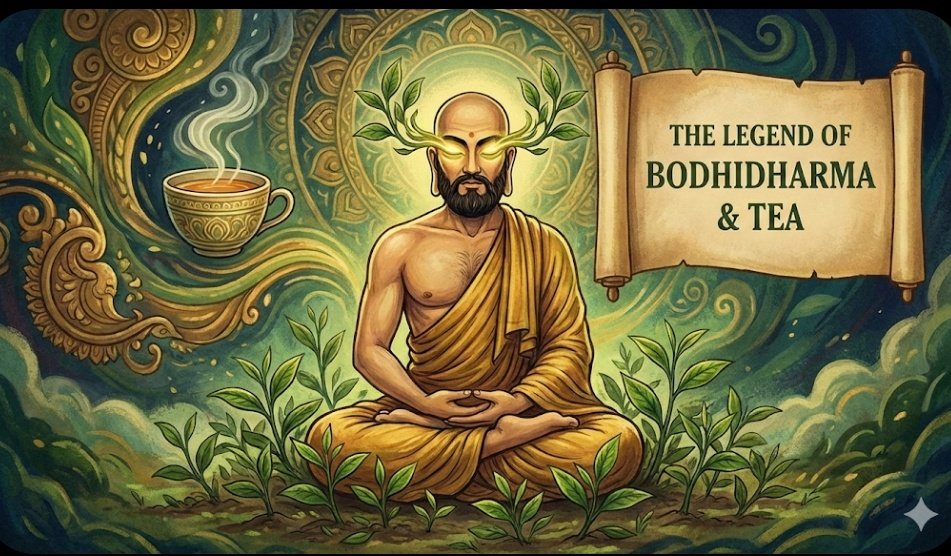
The most widely told Indian legend about tea is connected to an ancient monk, often associated with Buddhist traditions. According to the story, a revered monk set out on a long journey that required intense meditation and physical endurance. His vow was to remain awake and alert during extended periods of spiritual practice.
During one such journey, fatigue overtook him. Seeking relief, he plucked leaves from a nearby wild shrub and chewed them. Almost instantly, he felt renewed energy and mental clarity. The leaves helped him stay awake, focused, and calm. These leaves, according to the legend, were tea leaves.
This story explains what is the Indian legend regarding the discovery of tea as a moment of accidental but meaningful discovery. Tea was not found through deliberate experimentation, but through lived experience and spiritual need.
Tea as a Sacred and Medicinal Plant
In Indian folklore, tea is not described as a luxury or a casual beverage. Instead, it appears as a functional plant with medicinal and spiritual value. Early Indian communities believed many forest plants carried healing energy, and tea leaves were considered one of them.
Long before tea was brewed as it is today, leaves were used in herbal infusions to aid digestion, reduce fatigue, and improve concentration. In traditional systems of healing, especially those practiced in Himalayan and northeastern regions, tea-like plants were part of daily wellness routines.
This context adds depth to what is the Indian legend regarding the discovery of tea. The story emphasizes usefulness over indulgence and presents tea as a companion to discipline, work, and mindfulness.
Regional Variations of the Tea Legend
India’s cultural diversity means legends often evolve across regions. In Assam, where some of the world’s oldest tea plants grow naturally, local tribal communities have their own accounts. These communities are believed to have used tea leaves as vegetables or medicinal herbs long before outsiders recognized their commercial value.
Some Assamese legends speak of forest dwellers who observed animals chewing certain leaves for energy. Humans followed this example and began using the leaves themselves. Over time, boiling the leaves in water became a practical way to extract their benefits.
These regional narratives support the broader theme of what is the Indian legend regarding the discovery of tea: discovery through observation, nature, and daily life rather than formal science.
Spiritual Symbolism in the Legend
A key reason the Indian tea legend has endured is its spiritual symbolism. The monk’s struggle against sleep represents human limitations. Tea becomes a symbol of balance, helping the body without intoxicating the mind.
In Indian philosophy, especially within yogic and meditative traditions, clarity and moderation are highly valued. Tea fits naturally into this worldview. It stimulates awareness while allowing calmness, making it suitable for prayer, study, and reflection.
This symbolic layer explains why tea later became deeply embedded in Indian social and religious settings, even though its large-scale cultivation came much later.
Historical Context Versus Legend
When discussing what is the Indian legend regarding the discovery of tea, it is important to distinguish legend from documented history. Historically, tea plants were growing wild in parts of India, particularly in Assam, long before British involvement. However, organized cultivation and global trade began in the 19th century.
The legend does not claim that India invented tea as a global beverage. Instead, it highlights early awareness and use of tea leaves. Legends often fill gaps where written records are absent, offering insight into how ancient people understood their environment.
Rather than contradicting history, the legend complements it by showing that tea had a place in Indian life long before it became a commercial crop.
Cultural Impact of the Tea Discovery Legend
The story of tea’s discovery influences how tea is viewed in Indian culture today. Tea is not just a drink; it is a daily ritual. From roadside tea stalls to homes and offices, tea represents connection, conversation, and pause.
The humble origins described in the legend align with how tea is consumed across social classes. It is accessible, grounding, and practical. This universality reflects the legend’s message that tea was meant to support ordinary life, not separate people by status.
Understanding what is the Indian legend regarding the discovery of tea helps explain why tea holds emotional and cultural significance beyond taste or habit.
Tea in Ancient Indian Daily Life
Although legends focus on discovery, they also hint at early usage. Tea leaves were sometimes mixed with spices, herbs, or milk, depending on local customs. This practice eventually evolved into the spiced tea preparations now associated with India.
The idea of enhancing tea with local ingredients shows how early users adapted the plant to their environment and preferences. This adaptability is consistent with the legend’s theme of practical wisdom.
Tea’s journey from forest leaf to household staple mirrors India’s broader tradition of integrating nature into everyday living.
Why the Legend Still Matters Today
In modern times, tea is often discussed in terms of production, exports, and economics. However, legends remind us of tea’s human side. They highlight discovery through curiosity, necessity, and respect for nature.
Learning what is the Indian legend regarding the discovery of tea adds depth to our understanding of tea as more than a beverage. It becomes a story of mindfulness, resilience, and cultural continuity.
Legends survive because they speak to universal experiences. Fatigue, focus, and the search for balance are timeless human concerns. Tea’s role in addressing these needs is why its story continues to be told.
Tea as a Bridge Between Past and Present
The Indian legend of tea’s discovery connects ancient spiritual practices with modern routines. Whether someone drinks tea to wake up, relax, or socialize, they are unknowingly participating in a tradition shaped by centuries of lived experience.
The legend does not claim absolute historical accuracy. Its value lies in meaning. It reflects how early Indians understood the relationship between nature and well-being.
By exploring what is the Indian legend regarding the discovery of tea, readers gain cultural insight that enriches a simple daily habit. Tea becomes not just something consumed, but something remembered, respected, and shared across generations.