

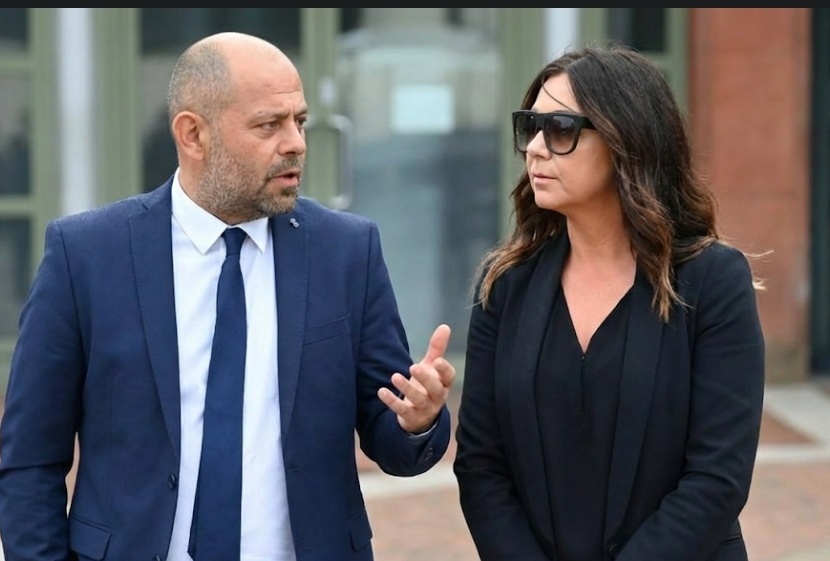
Salvage Hunters is a television series that has captured the attention of niche audiences interested in antiques, restoration, and the art of turning historical objects into treasures. At the heart of this show is Drew Pritchard, a renowned antique dealer with a sharp eye for valuable artifacts and a charismatic presence that has made him a central figure in the program’s success. The series follows Drew as he travels across the United Kingdom and beyond, visiting stately homes, old factories, and antique shops in search of hidden gems. His expertise in identifying, purchasing, and restoring antiques has earned him a reputation as a skilled professional and a personality well-loved by fans of the show.
However, Drew Pritchard’s fame extends beyond his professional achievements. In recent years, media outlets and fans alike have developed a growing curiosity about his personal life, particularly his relationships. This fascination has reached new heights with the coverage surrounding his new wife, a topic that has sparked widespread interest across social media platforms and entertainment news. The media’s focus on Drew’s personal life underscores a broader cultural phenomenon: the public’s obsession with the private lives of celebrities. This essay delves into how media coverage of Drew Pritchard’s personal life, especially his new wife, serves as a lens through which we can examine broader trends in celebrity culture, audience behavior, and the ever-evolving relationship between media and entertainment.
In the age of digital media and social connectivity, the lives of public figures are no longer confined to their professional endeavors. Instead, celebrities are increasingly viewed as multi-dimensional individuals whose personal narratives often overshadow their professional accomplishments. Drew Pritchard’s case exemplifies this trend. While his role in “Salvage Hunters” is undoubtedly the foundation of his public identity, media coverage has increasingly centered on aspects of his private life, such as his marriage, relationships, and social interactions. This shift reflects the media’s understanding of audience preferences: readers and viewers are drawn to stories that humanize celebrities and make them relatable.
The fascination with Drew Pritchard’s new wife exemplifies the intersection between celebrity culture and audience engagement. Headlines about her background, their relationship dynamics, and her possible influence on Drew’s life and career have become common in entertainment news. These stories are often framed in ways that emphasize intrigue, speculation, and emotional resonance, appealing to audiences who seek more than just professional updates about their favorite personalities. This type of coverage is not unique to Drew Pritchard but is part of a larger trend where media outlets leverage the personal lives of celebrities to drive traffic and generate clicks.
This essay argues that the media’s focus on Drew Pritchard’s new wife is not merely a reflection of public curiosity but a strategic approach rooted in the dynamics of celebrity culture and audience consumption patterns. By exploring the nuances of this phenomenon, we can gain insight into how personal narratives shape media content, influence audience engagement, and reflect broader societal trends. In the sections that follow, we will analyze Drew Pritchard’s role in “Salvage Hunters,” the media representation of his personal life, and the public’s fascination with his new wife, culminating in a discussion of the implications for media practices and content quality.
To understand the media’s interest in Drew Pritchard’s personal life, it is essential to first consider his professional identity and the success of “Salvage Hunters.” The show, which debuted in 2011, has become a staple for viewers who appreciate antiques, restoration, and the history embedded in objects. Drew Pritchard’s role as the host and lead antique dealer is central to the program’s appeal. His expertise in identifying valuable items, negotiating deals, and overseeing restoration projects has solidified his reputation as a leading figure in the antiques industry.
Beyond his professional skills, Drew’s personality plays a significant role in the show’s success. His witty commentary, approachable demeanor, and passion for antiques make him relatable to viewers, fostering a connection that extends beyond the screen. This connection is further strengthened by the show’s focus on storytelling, as each episode highlights the history of the items Drew discovers, the challenges of restoration, and the satisfaction of breathing new life into old treasures. “Salvage Hunters” is not just about antiques; it is about the people, places, and stories behind them, and Drew Pritchard’s ability to weave these narratives is a key factor in its enduring popularity.
While Salvage Hunters has established Drew Pritchard as a respected antique dealer, the media’s portrayal of his personal life has added another layer to his public identity. Coverage of Drew’s relationships, particularly his new wife, often takes a sensationalist approach, emphasizing emotional drama and speculative narratives. Headlines may highlight details about their wedding, her background, or her potential influence on Drew’s career, presenting these stories as exclusive insights into the life of a beloved public figure.