

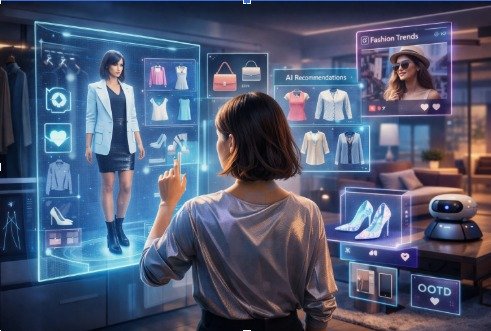
Technology has always influenced the way people live and express themselves, but in 2026 the role of artificial intelligence has become more noticeable than ever. From personalized shopping experiences to smarter lifestyle decisions, AI is reshaping both lifestyle and fashion industries in ways that were difficult to imagine just a few years ago. Businesses, designers, and consumers are all benefiting from this digital transformation as technology continues to make everyday experiences more efficient and personalized.
The increasing presence of artificial intelligence in daily life is changing how people choose what to wear, how they shop, and even how brands communicate with their audiences. As AI-powered tools become more accessible, both individuals and companies are discovering new opportunities to enhance creativity, productivity, and customer engagement.
AI and the Evolution of Modern Lifestyle
One of the most significant changes brought by artificial intelligence is the shift toward highly personalized lifestyles. AI-powered apps and platforms analyze user behavior, preferences, and habits to recommend products, services, and activities that align with individual interests. Whether it’s suggesting a workout routine, recommending travel destinations, or curating fashion items, AI systems are making lifestyle choices more tailored than ever before.
Smart devices in homes are also becoming increasingly intelligent. AI-driven assistants can manage schedules, control lighting and temperature, and even suggest meal plans based on dietary preferences. These technologies are creating a more connected lifestyle where convenience and efficiency play a major role.
Another growing trend is using AI in business to understand customer needs more accurately. Lifestyle brands now rely on AI to analyze consumer data and predict emerging trends. This allows companies to design products that reflect real customer demands instead of relying only on traditional market research. As a result, consumers enjoy better experiences while businesses operate more efficiently.
Transforming the Fashion Industry
The fashion industry is one of the sectors experiencing the biggest transformation through artificial intelligence. Designers and brands are using AI tools to analyze global fashion trends, predict future styles, and create innovative designs. AI algorithms can study millions of images from fashion shows, social media, and online stores to identify patterns that help designers understand what consumers want.
In addition, AI is improving the way clothing is produced and distributed. Fashion companies are now using smart systems to forecast demand and manage inventory more effectively. This reduces waste and helps brands produce the right amount of clothing at the right time. Sustainable fashion, which has become a major concern in recent years, is benefiting greatly from these technological advancements.
Virtual fitting rooms are another example of how artificial intelligence is changing fashion. Many online stores now allow customers to upload photos or use augmented reality tools to see how clothing might look on them before making a purchase. This reduces the uncertainty often associated with online shopping and helps customers feel more confident about their choices.
Social Media and AI-Driven Fashion Trends
Social media platforms have always played a strong role in shaping fashion trends, but artificial intelligence is now amplifying this influence. AI-powered algorithms analyze millions of posts, images, and videos to determine what styles are gaining popularity. Fashion brands use this data to adjust their marketing strategies and create collections that align with current trends.
Tools such as an Instagram story viewer are also becoming popular among marketers and influencers who want to study engagement patterns and audience behavior. By analyzing story views and interactions, brands can better understand what type of content resonates with their followers. This insight helps companies design more effective campaigns and build stronger connections with their audiences.
Influencers themselves are also benefiting from artificial intelligence tools. AI can help them determine the best time to post, identify trending hashtags, and analyze audience demographics. These insights make it easier for creators to build their personal brands and collaborate with fashion companies.
Personal Styling Powered by AI
One of the most exciting developments in fashion is the rise of AI-powered personal styling. Many fashion platforms now offer virtual stylists that recommend outfits based on individual preferences, body type, and lifestyle. By analyzing previous purchases and browsing behavior, these systems can create personalized recommendations that feel surprisingly accurate.
For consumers, this means less time spent searching for the perfect outfit. AI-driven styling services can suggest combinations that match personal tastes while also introducing users to new styles they might not have considered before. This blend of personalization and discovery is changing the way people approach fashion.
Fashion retailers are also integrating AI into their mobile apps and websites to improve the shopping experience. Chatbots, for example, can answer customer questions, recommend products, and guide users through the purchasing process. These systems provide instant assistance while reducing the workload for human support teams.
The Future of Lifestyle and Fashion with AI
Looking ahead, the influence of artificial intelligence on lifestyle and fashion will likely continue to grow. As AI technology becomes more advanced, it will enable even deeper levels of personalization and creativity. Designers may collaborate with AI systems to generate innovative clothing concepts, while consumers could rely on smart assistants to manage wardrobes and suggest outfits automatically.
At the same time, the practice of using AI in business will become essential for brands that want to remain competitive in the digital marketplace. Companies that adopt AI tools early will be better equipped to understand customer behavior, adapt to changing trends, and deliver products that meet evolving expectations.
The integration of AI with social media analytics tools, including features like an Instagram story viewer, will further strengthen the connection between technology, fashion, and lifestyle trends. This combination of data and creativity will continue shaping how people express their identities through clothing and personal style.
Conclusion
In 2026, the relationship between technology and fashion is stronger than ever. Artificial intelligence is transforming lifestyle habits, influencing fashion design, and redefining how businesses interact with customers. From personalized recommendations to smarter marketing strategies, AI is helping both consumers and brands navigate a rapidly evolving digital world.
As technology continues to develop, the impact of artificial intelligence on lifestyle and fashion will only become more significant. Those who embrace these innovations will find new opportunities to create, connect, and express themselves in ways that were once unimaginable.