

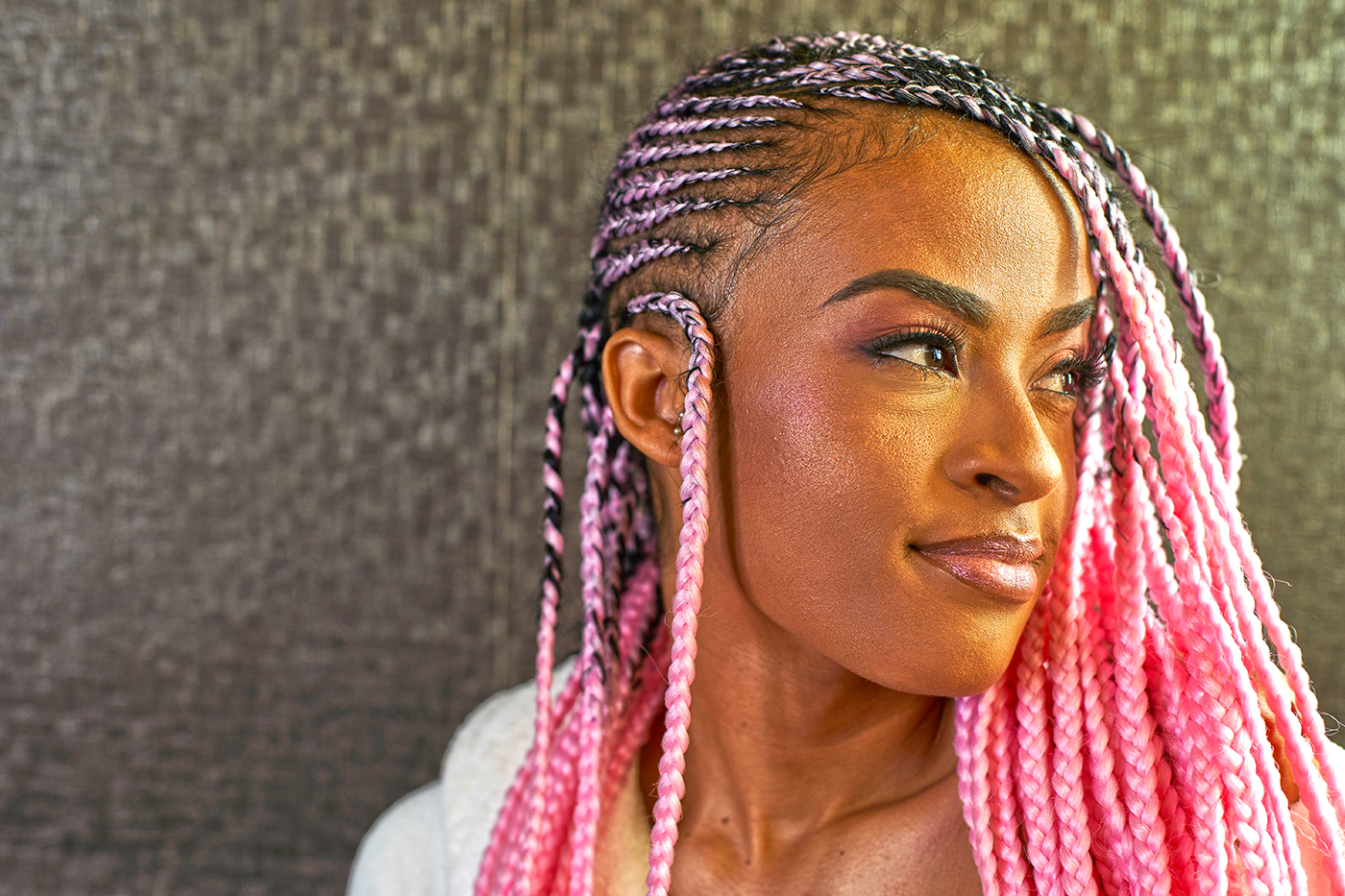
Braids and twists tutorials are step-by-step hairstyle guides that teach how to create braided and twisted looks for natural, relaxed, or textured hair, making them one of the most popular protective styling methods in 2026. These tutorials are especially useful for beginners because they explain basic techniques like two-strand twists, box braids, and simple plaits while also showing how to prep the hair, avoid tension, and maintain scalp health. Braids and twists help reduce daily hair manipulation, support length retention, and offer versatile styling options for women, men, and kids, which is why many people search for easy at-home braids and twists tutorials instead of visiting a salon.
If you’re searching for clear, step-by-step Braids and twists tutorials that suit all hair textures, you’re in the right place. This article breaks classic and modern techniques into easy-to-follow steps, offers styling tips, and gives practical maintenance advice so your braid and twist styles last longer and look fresher.
Why braids and twists work for everyone
Braids and twists are versatile, protective, and timeless. They protect hair from daily friction, reduce manipulation, and can be styled for formal events or casual days. From tight three-strand braids to loose rope twists, these styles adapt to straight, wavy, curly, and coily hair.
They’re also easy to personalize. Add beads, scarves, or colored extensions to create looks that reflect your personality. For students, professionals, or parents on-the-go, a well-executed braid or twist saves time and keeps hair neat.
Beginner-friendly guide: three simple styles
Start with three foundational looks that build skills: the classic three-strand, the French braid, and two-strand twists.
Three-strand braid
- Detangle and smooth hair with a lightweight leave-in.
- Divide hair into three equal sections.
- Cross the right over the middle, then the left over the middle, repeating until you reach the ends.
- Secure with a small elastic.
French braid
- Start with a section at the crown and divide into three.
- Cross as in a regular braid, but add a small section of hair from the side into the outer strand each time you cross.
- Keep tension even for a neat look.
- Continue to the nape and braid the remaining hair.
Two-strand twists
- Divide hair into sections depending on how chunky you want the twist.
- Split one section into two equal parts.
- Twist the two parts around each other away from the face.
- Secure or palm-roll for shine when finished.
If you prefer video-style pacing, look for step-by-step Braids and twists tutorials that show hand positioning and tension — seeing the motion helps more than written instructions for some learners.
Tools and products that help
Use a wide-tooth comb for detangling, a rat-tail comb for parting, and small, snag-free elastics. For shine and hold, a lightweight oil or butter works well. If you need grip for slippery hair, apply a water-based styling cream or a little mousse before braiding.
Extensions? Clip-ins or crochet hair can add length and volume. For protective braids, consider pre-stretched synthetic hair for less tension during installation.
Styling and maintenance tips for long-lasting results
Protect styles at night with a silk or satin scarf or pillowcase. Reapply a light oil to your scalp weekly to prevent dryness. Avoid overly tight braids to minimize breakage.
For fresh edges without stress, use a soft boar-bristle brush and gentle edge control sparingly. If a braid becomes frizzy, dip fingers in cold water and smooth the strands, or wrap the style overnight to re-seal the shape.
For low-effort options on busy days, simple cornrows or invisible knotless braids give a neat look for weeks, while chunky twists offer a fast, fashionable option that’s quick to install and maintain.
Creative ideas and quick looks
- Accessorize: Add beads, metallic cuffs, or colorful threads woven into braids.
- Half-up styles: Braid only the top half and leave the rest loose for a chic hybrid.
- Mixed textures: Combine a twisted crown with loose waves to marry structured and soft looks.
- Updos: Gather braids into a bun or chignon for formal events.
If you want guided practice, follow a few trusted Braids and twists tutorials that break down each move and let you pause and practice at your own pace.
Troubleshooting common problems
- Slippage: Use a mild texturizing spray before braiding to give the hair grip.
- Frizz within days: Wrap your hair at night and avoid heavy creams that attract lint.
- Scalp soreness: Loosen the tension and give your scalp short breaks between tight styles.
- Uneven braids: Part hair into smaller, consistent sections before starting.
FAQ
Q: How often should I redo protective braids or twists?
Most protective styles last 2–6 weeks depending on hair type, installation quality, and maintenance. Check your scalp regularly and redo styles if there’s significant new growth or matting.
Q: Are braids and twists damaging?
When installed with moderate tension and removed correctly, they’re low-damage. Avoid very tight installations and use gentle detangling methods during take-down.
Q: Can I wash my hair with braids or twists?
Yes. Use diluted shampoo on the scalp and rinse carefully. Apply conditioner mainly to the lengths if you’re using synthetic extensions. Pat dry and air-dry when possible, or blow-dry on low heat.
Conclusion
Braids and twists are practical, stylish, and endlessly creative. Whether you’re learning basic braids or exploring more advanced updos, clear practice and the right products make all the difference. Use these Braids and twists tutorials as a foundation, adapt techniques to your hair type, and experiment with accessories to make each style uniquely yours.