

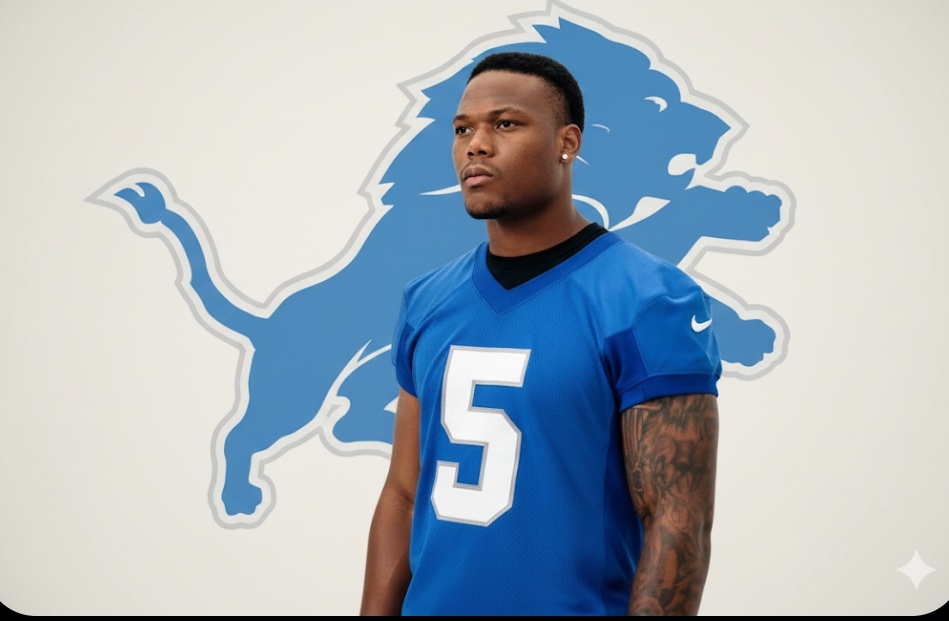
The david montgomery injury has drawn attention from fans, analysts, and fantasy football managers who closely follow NFL running backs. Montgomery has built a reputation as a durable, physical player, so any injury involving him naturally raises questions about recovery time, performance, and team impact. Understanding the nature of his injury and how it affects both the player and his role helps set realistic expectations.
- Who David Montgomery Is and Why His Health Matters
- Overview of the David Montgomery Injury
- How NFL Teams Handle Running Back Injuries
- Expected Recovery and Return Considerations
- Impact on Performance After Injury
- Team Strategy Adjustments
- Perspective From Injury Trends in the NFL
- What Fans and Analysts Should Realistically Expect
- Why Accurate Injury Reporting Matters
This article breaks down the injury in a clear, practical way, focusing on what is known, how these injuries are typically managed, and what it means going forward. The goal is to provide grounded insight based on experience covering NFL health situations, not speculation or hype.
Who David Montgomery Is and Why His Health Matters
David Montgomery is known for his powerful running style, strong contact balance, and ability to contribute as both a runner and receiver. He often handles a high workload, which makes his physical condition especially important to his team’s offensive structure.
Running backs absorb consistent contact, and even minor injuries can affect burst, vision, and stamina. When Montgomery is not fully healthy, play-calling, snap distribution, and red-zone strategy can change noticeably.
Overview of the David Montgomery Injury
The david montgomery injury refers to a physical setback sustained during the NFL season that limited or impacted his availability and performance. While teams often keep exact medical details private, reported information usually comes from official injury reports, practice participation, and game status designations.
Most injuries affecting running backs fall into a few common categories, such as knee issues, ankle sprains, rib injuries, or soft tissue strains. Each type has a different recovery profile and risk level. Teams evaluate not just pain tolerance but also long-term durability before allowing a player to return to full workload.
How NFL Teams Handle Running Back Injuries
NFL medical staffs take a conservative approach with core offensive players. Even when a running back is listed as “questionable,” decisions are often made hours before kickoff based on mobility testing and swelling response.
For players like Montgomery, who rely on lower-body strength and balance, even small limitations can increase reinjury risk. Teams monitor:
- Practice participation throughout the week
- Ability to cut, accelerate, and absorb contact
- Post-practice soreness and inflammation
This process helps protect the player while maintaining roster depth across a long season.
Expected Recovery and Return Considerations
Recovery from a running back injury depends on severity, position demands, and previous injury history. In Montgomery’s case, durability has generally been a strength, which often works in his favor when returning to action.
Medical staff usually prioritize functional recovery rather than rushing a return. This means ensuring the player can perform at game speed without altering mechanics. Altered movement patterns often lead to secondary injuries, which teams try hard to avoid.
The david montgomery injury timeline is typically reassessed weekly, not locked into a fixed return date.
Impact on Performance After Injury
Even after returning, players may see subtle changes in usage. Snap counts may be reduced, and touches could be shared more evenly until confidence and conditioning fully return.
Common short-term effects include:
- Slight reduction in explosive runs
- Fewer total touches per game
- Increased reliance on rotational backs
Over time, most healthy running backs regain full effectiveness if managed properly. Coaching staff plays a major role in easing players back into rhythm.
Team Strategy Adjustments
When a starting running back is limited, offensive coordinators often adjust play design. This can involve more short passes, outside runs, or designed plays that reduce direct contact.
Backup and complementary backs may take on expanded roles. This does not necessarily signal long-term change, but rather situational adaptation. Teams prefer to preserve their primary backs for critical moments later in the season.
Montgomery’s value goes beyond raw yardage, including pass protection and consistency, which coaches factor heavily into lineup decisions.
Perspective From Injury Trends in the NFL
Across the league, running back injuries are among the most common due to the physical demands of the position. However, modern training, recovery protocols, and load management have improved return-to-play outcomes.
Players who follow structured rehab plans and avoid rushing back tend to maintain longer-term effectiveness. Teams are increasingly data-driven, using workload metrics and recovery markers rather than relying solely on player feedback.
This broader trend provides context for how the david montgomery injury is handled within a league-wide framework.
What Fans and Analysts Should Realistically Expect
It is important to separate official updates from speculation. Injury labels like “day-to-day” or “week-to-week” are intentionally cautious. Performance immediately after return may not reflect long-term form.
Montgomery’s playing style is built on strength and vision rather than pure speed, which often allows players to remain effective even after minor setbacks. However, patience is key, both from coaching staff and supporters.
Monitoring practice participation and snap counts usually provides better insight than headlines alone.
Why Accurate Injury Reporting Matters
Clear, responsible reporting helps fans make informed decisions and avoids unnecessary panic or unrealistic expectations. Misunderstanding injuries can lead to unfair criticism of players who are managing pain while competing at the highest level.
The david montgomery injury serves as another example of why context matters in sports health discussions. Recovery is rarely linear, and smart management often pays off later in the season.
By focusing on confirmed information, recovery principles, and team strategy, this breakdown provides a balanced, expert-level understanding of the situation without exaggeration or guesswork.