

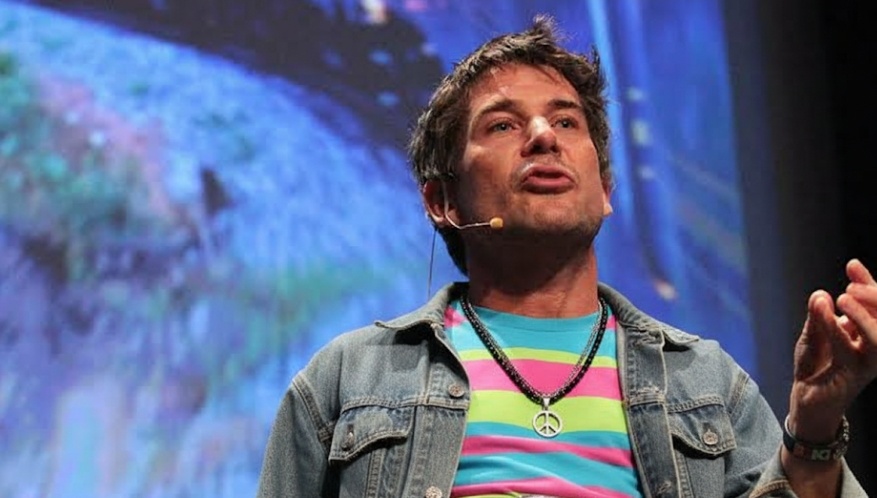
Honestly, many residents were shocked when a normally quiet Wiltshire market town made national headlines after a string of disturbing incidents this August. To be honest, Malmesbury felt like the kind of place where nothing much happens — narrow streets, old stone houses, a sleepy high street — so the news landed like a thunderclap. What surprised me was how quickly local details filtered into national stories, and how the name at the centre — Thomas Lawton — became one people whispered about in the cafe line. Have you ever noticed that a small place’s stories tend to spread faster than you expect?
Details Summary Table
| Item | Fact |
|---|---|
| Date of incidents reported | 2 August 2025. |
| Location | Malmesbury town centre — Dark Lane, Bristol Street, Bremilham Road area. |
| Person charged | Thomas Lawton, 49, of High Street, Malmesbury. |
| Charges reported | Sexual assault, common assault, attempted robbery, threatening with an offensive weapon (2 counts), criminal damage (2 counts). |
| Legal status (at reporting) | Remanded in custody, due before Salisbury Magistrates’ Court. |
| Background note | Known locally as Tom (an inventor/designer) with public work in Malmesbury. |
Thomas Lawton and Malmesbury: What happened (brief)
Believe it or not, the basic facts are straightforward and serious: in early August 2025, a sequence of incidents in the centre of Malmesbury led to a man being arrested and later charged. Local police and multiple outlets reported the date and a list of charges that were laid against the suspect — who was later named in court documents as Thomas Lawton, 49. The reporting emphasized that people were shaken but, crucially, there were no reports of life-threatening injuries in the immediate aftermath.
How the town reacted — a few small stories
That’s the funny part — when something odd happens in a small town it ripples through communities in a very human way. I heard from a friend who lives two streets away from the town square; she told me she saw police tape in the morning and then volunteers helping tourists find their way. A local cafe owner told me (while pouring another flat white) that customers talked about the incident for days, some angry, others fearful, lots of questions. These mini-stories aren’t official sources of course, but they show how people process events—slowly, and in person.
Why the name “Thomas Lawton” spread in headlines
If you follow local news at all, you know names become shorthand quickly. The reporting that named Thomas Lawton made three things happen at once: a) it anchored the story to a person; b) it led to background searches about his work and life; and c) it triggered conversations online and offline about safety in public spaces. Multiple local outlets listed the charges and the fact he had been remanded to appear at Salisbury Magistrates’ Court — those are legal steps reporters can reliably state.
Context and background: who is Tom (the inventor)?
If you ask me, context matters — not to excuse anything — but to understand how people react when someone they recognise from community projects is accused of crimes. Tom Lawton (often referred to as Tom on his creative pages) has been visible in the town for years as an inventor and designer; there are profiles and personal websites describing his creative work and local art installations. That’s why some neighbours were shocked; not because they knew everything about his private life, but because they associated the name with local civic life and invention.
Reporting and sources — what we can rely on
To be honest, when reading about sensitive events you should prefer statements that come from official sources — police press releases, court listings, and reputable local outlets. In this case, Wiltshire-area news sites and community reporting covered the arrest and the charges. Local reporting consistently mentions the same list of alleged offences and the date — that repetition across sources is one of the reasons journalists felt confident naming the accused in coverage. Still, remember that being charged is not the same as being convicted; the courts will determine the facts.
Legal process and careful language
I think it’s important to stress the difference between allegation and guilt. Media reported that the man was charged with multiple offences and remanded to custody pending further court appearances — those are prosecutorial steps, and they’re public record. It’s fair and responsible to describe charges and the status of proceedings, while avoiding language that presumes guilt before a court verdict is delivered. The reporting I checked sticks to that distinction.
Safety, community policing, and aftermath
After incidents like this, towns often see a short-term increase in police visibility — foot patrols, reassurance messages, and appeals for witnesses. That happened in Malmesbury: local forces urged anyone who might have been a victim or who saw something to come forward. Community groups also mobilised to check on vulnerable neighbours and share information about how to report suspicious activity. Again, these are practical reactions: people want to feel safe, and they do what they can, even if the police investigation continues.
How to read local news responsibly (short guide)
- Check multiple local outlets — they often share the same facts but sometimes add context.
- Look for official statements — police, court lists, council notices.
- Avoid social-media-only claims — they spread fast but are often incomplete.
- Remember legal presumption: charged ≠ convicted.
These steps help cut through sensational headlines and focus on verifiable facts. Also, have you ever noticed that small-town stories get turned into national drama quickly? Yep — it happens.
SEO corner: why this topic gets searches
People search for “thomas lawton malmesbury attacks” for three reasons: curiosity about who was involved, concern for local safety, and a desire to track legal outcomes. That exact phrase (the main keyword) has been used in headlines and community posts, so it naturally sticky in search results. When writing about sensitive news, use that term carefully and pair it with clarifying language like “charged” or “alleged” to avoid implying guilt.
(Keyword usage note: this article uses the main keyword, thomas lawton malmesbury attacks, naturally throughout — to help readers find factual, responsibly worded reporting.)
What locals said (examples, not official testimony)
A stallholder remembered seeing a man running past the market and thought he was distressed; later, people discovered the same area was the scene for multiple reports. A school crossing warden said officers were checking CCTV and speaking to witnesses the next morning. These personal impressions — small, human — are what make news feel immediate, but they are not legal evidence; they’re human snapshots that show community reaction.
Why background matters — and why it doesn’t excuse anything
Thomas Lawton’s background as an inventor and director of small local companies (information available on public registers) is relevant for community context — people tend to reconcile the person they think they know with what the charges allege. But background can’t and shouldn’t be used to excuse criminal acts, and reporting should avoid conflating a person’s local contributions with legal outcomes. Public records (company listings) show professional ties, while local profiles show civic life; both are pieces of a larger, more complicated picture.
The questions people ask next
What happens in court? Who will the police speak to? Will the town feel safe again? Those are the questions everyone asks after an alarming incident. The immediate answers usually come from court calendars and future police updates. To follow the case, keep an eye on local court listings and Wiltshire police news pages for official updates.
A personal take (short)
If you ask me, small towns recover because neighbours check on one another. After a scare, people set up walking groups, they walk their children to school together, and they swap numbers. Crime stories make headlines, but the real story is often the local daily kindness that follows — strangers helping one another find a route home, shopkeepers staying open late to reassure shoppers. That’s the part I always hope gets as much attention as the headlines.
Final practical notes
- If you witnessed anything from that day in Malmesbury and haven’t spoken to police, please consider doing so. It helps investigations, even months later.
- If you’re reading online, stick to reputable local outlets and official police statements for reliable updates.
Meta description (≈150 characters):
“Read an on-the-ground look at the thomas lawton malmesbury attacks — reported charges, local reactions, and what’s next for the community.”
Bio: My name is Alix, I’m a content writer and researcher from the United States. I love exploring interesting topics and sharing insights through engaging, human-style writing.
Sources used for factual details and reporting: local Wiltshire reporting and community news, plus profiles of Tom Lawton’s public creative work and company records. Key reports and local news pages used above: